Key Highlights
- Jacksonville is home to three main termite threats: Subterranean, Formosan, and Drywood termites.
- Each of these termite species attacks your home differently, requiring specific identification and treatment.
- Signs of an infestation include mud tubes, discarded wings, hollow-sounding wood, and tiny droppings called frass.
- Florida’s warm, humid climate creates an ideal environment for termites to thrive year-round, increasing the risk of termite damage.
- A professional pest control company can perform a WDO inspection to identify the exact termite species and apply the right termite control.
Introduction
Did you know that not all termites attack your home the same way? In Jacksonville, there are different termite species. Each one can hurt your home in a different way. These destructive pests can cause a lot of termite damage before you even see them. That is why you need to know which type of termite you have in your home. This is the first thing to do for effective termite control. In this guide, you will find out about the top three termite threats in Jacksonville, along with insights from Knockout Pest Control. You will also learn how to keep your investment safe from these pests with helpful tips for termite control.
Understanding Jacksonville’s Major Termite Threats
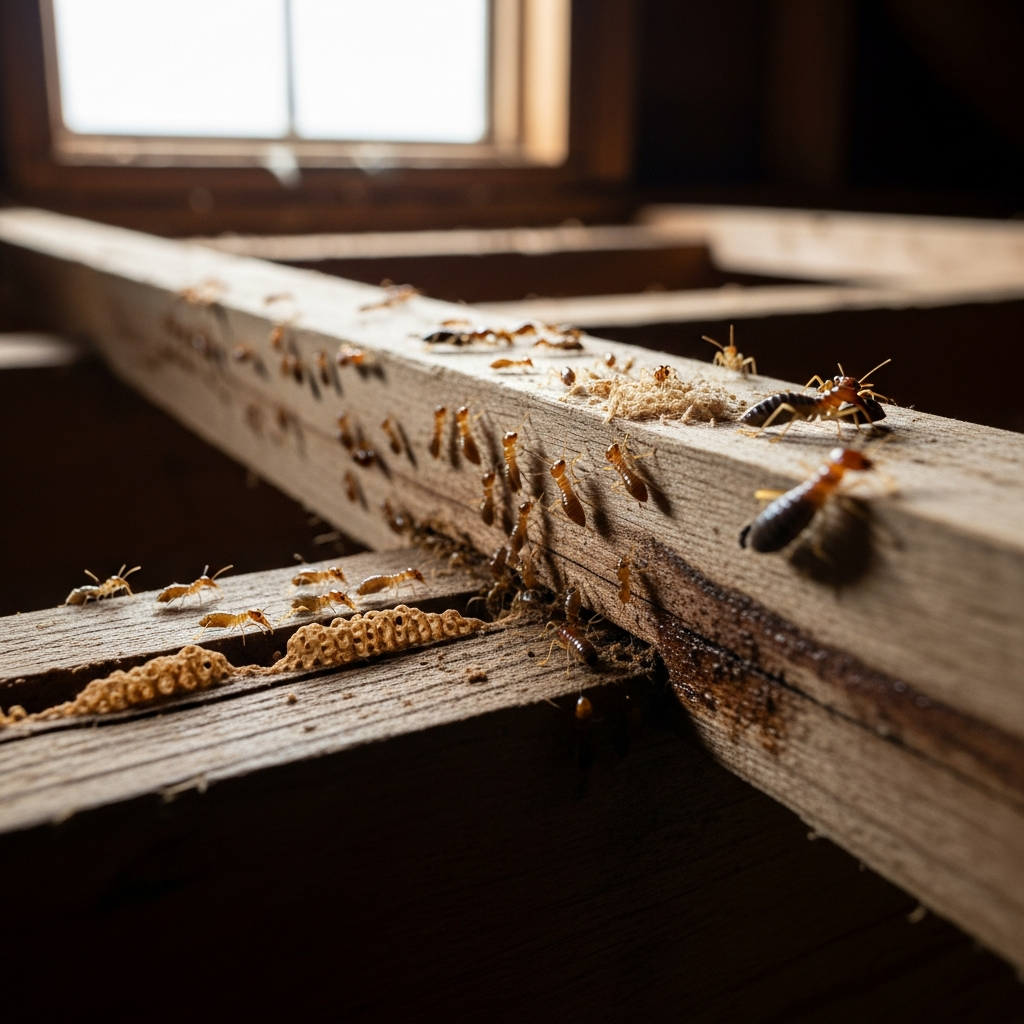 Florida has a warm and humid climate. This kind of weather is perfect for destructive pests like termites. Florida homes face more termite problems than in many other places because termites can be active all year. Across the United States, these insects cause billions of dollars in damage each year. The risk of termite infestations is higher in Florida because colonies never take a break.
So, why do subterranean termites create such big problems in Florida unlike in other states? It is mostly about the heat and extra moisture. These things help the pests grow faster. Knowing which termite species you have is very important if you want the right pest control treatment. A pest control company can help you figure out what type of termite you are dealing with and work with you to stop them from harming your house. In the next part, we will talk more about why these destructive pests are a danger and how Florida’s weather helps them stick around.
Why Termites Are a Serious Concern in Florida Homes
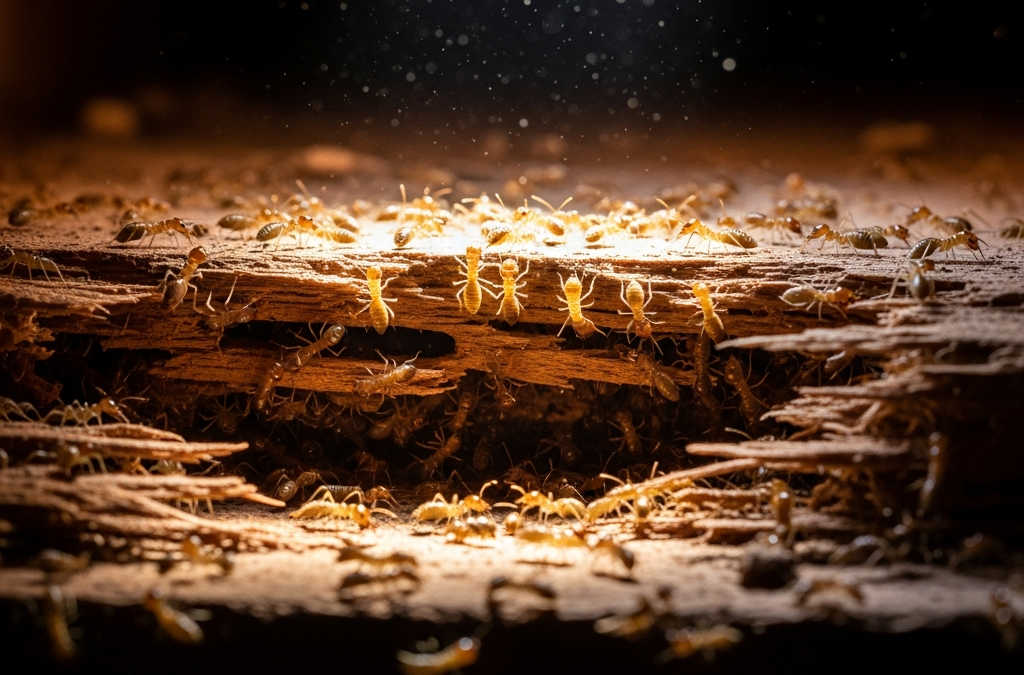
Termite infestations often cause big problems for Florida homeowners. These pests can bring costly termite damage, which may go unnoticed until it gets very bad. Subterranean termites feed on cellulose. This is in things like wood, drywall, and paper in your home. Over time, their eating can hurt your home’s structural integrity.
What kind of termite damage do subterranean termites usually cause in Florida? They often eat out the insides of wooden beams, flooring, and support posts. This leaves a thin outside layer that can look fine. But inside, the wood is weaker. You might see sagging floors, paint that blisters, or window frames that look warped. These are signs that termite damage may be hidden out of sight.
Since termites usually work in silence, new colonies can start and grow for years with no clear signs. By the time you see damage, repairs might cost thousands. Because of this, early search and help from professionals is so important. It lets you protect your property and home.
How Local Climate and Conditions Attract Termites
Jacksonville has a climate that is great for termite activity. The air stays damp, and the weather is warm all the time. Because of this, termites do not stop moving or looking for food sources during any part of the year. In places that get cold in winter, pests slow down. But in Florida, termites are busy every day. This makes it more likely for a home to have an infestation.
Subterranean termites must have moisture to be alive. They build mud tubes to help keep away from dry air. In areas like south Florida, where there is damp ground and a lot of rain, these termites can set up underground colonies close to your home. Some places in Florida are more at risk than others. Jacksonville, with so much moisture and high humidity, is one of them.
Things like piles of mulch, firewood leaning on the house, and any leaky pipes give termites both water and an easy way to your home’s foundation. All these together make your home a perfect environment for termites, making it a place they want to get into.
Meet the Termite Trifecta: Subterranean, Formosan, and Drywood
Florida homes have to deal with three main kinds of termites. These are the Subterranean, Formosan, and Drywood termites. All three of these destructive pests can get into your house. Each termite species gets in and causes harm in its own way. Subterranean termites and Formosan termites live down in the soil. Drywood termites, on the other hand, go straight for the wood in your house.
It is important to know how to tell the difference between these types. That will help you keep your house safe. What are the most common signs of subterranean termite infestations in florida homes? First, you may see mud tubes on your walls or foundation. There can also be piles of wings that the termites drop, and sometimes the wood will sound hollow when you tap it. If you see these signs, a professional termite control company can help you get rid of the problem. They can say which termite species is in your home. Now, let’s take a look at each group of this tough trio.
Subterranean Termites: Hidden Dangers Beneath Your Home
Subterranean termites are the most common termite species in Florida and cause the most termite damage. They live in huge underground colonies in the soil and must stay in touch with the soil to keep moist. To get to the wooden structures in your home, they make mud tubes along your foundation, walls, and crawl spaces. These mud tubes protect them from dry air and keep them safe from other animals.
The main problem with this subterranean termite species is they destroy wood from the inside out. They eat away at beams and floor joists, leaving only a thin layer on the surface. You may notice your floors sag, your walls become weak, and the structural integrity of your house suffers. Most of the time, once you see visible damage, their activity has already gotten out of hand.
Because subterranean termites work in the ground and behind walls, their infestation can stay hidden for a long time. They can travel over 100 feet from their underground colonies to find food. This means, if they are in your yard, they still pose a big risk to your house.
Formosan Termites: The “Super Termite” Invader
The Formosan termite is often called the “super termite” because it is very aggressive and can damage a home fast. This type of termite lives underground and is known for making very large colonies. These large colonies can have millions of termites. Because there are so many of them, they can do a lot of damage much quicker than other kinds of termites.
Formosan termites are a type of subterranean termites. But, these termites can also make their nests inside walls. They do not need to have direct contact with the ground if they find enough moisture. This lets them build new colonies inside your house. They can even avoid normal soil treatments. With their fast reproduction rates, what starts as a small problem can become a big one in a short time.
Because these termites are such a serious problem, it is important to call pest control experts right away if you suspect you have formosan termites. In Florida, there are some local laws and inspection needs for subterranean termites. For example, if you are buying or selling a house, a WDO (Wood-Destroying Organism) inspection is often needed. This will look for termites and other pests that eat wood.
If you see signs of large colonies or any extensive damage in your home, call for pest control help as soon as you can.
Drywood Termites: Stealthy Invaders of Attics and Furniture
Drywood termites are different from subterranean termites. They do not need to be in touch with soil or any moisture to live. Drywood termites stay right inside dry, strong wood. You can find them in attic spaces, doorframes, window sills, and wooden furniture. Drywood termite infestations can be hard to notice, as they happen deep in the wood.
One clear sign of drywood termites is small piles that look like wood-colored sand. These piles are called frass. It is the droppings from drywood termites. They push frass out of their tunnels at little kick-out holes. When you see these, it could mean there is a single colony in your home. Over time, drywood termites can cause significant damage, but they usually work slower than subterranean termites.
So, how can you tell the difference between drywood termites and subterranean termites in Florida? There is one big clue. Subterranean termites make mud tubes. You do not see this with drywood termites. Drywood termites leave frass, while subterranean termites make these tubes. If you do not see mud tubes, visible damage may be the first sign you have a problem.
Beginner’s Guide to Identifying and Handling Termites in Jacksonville
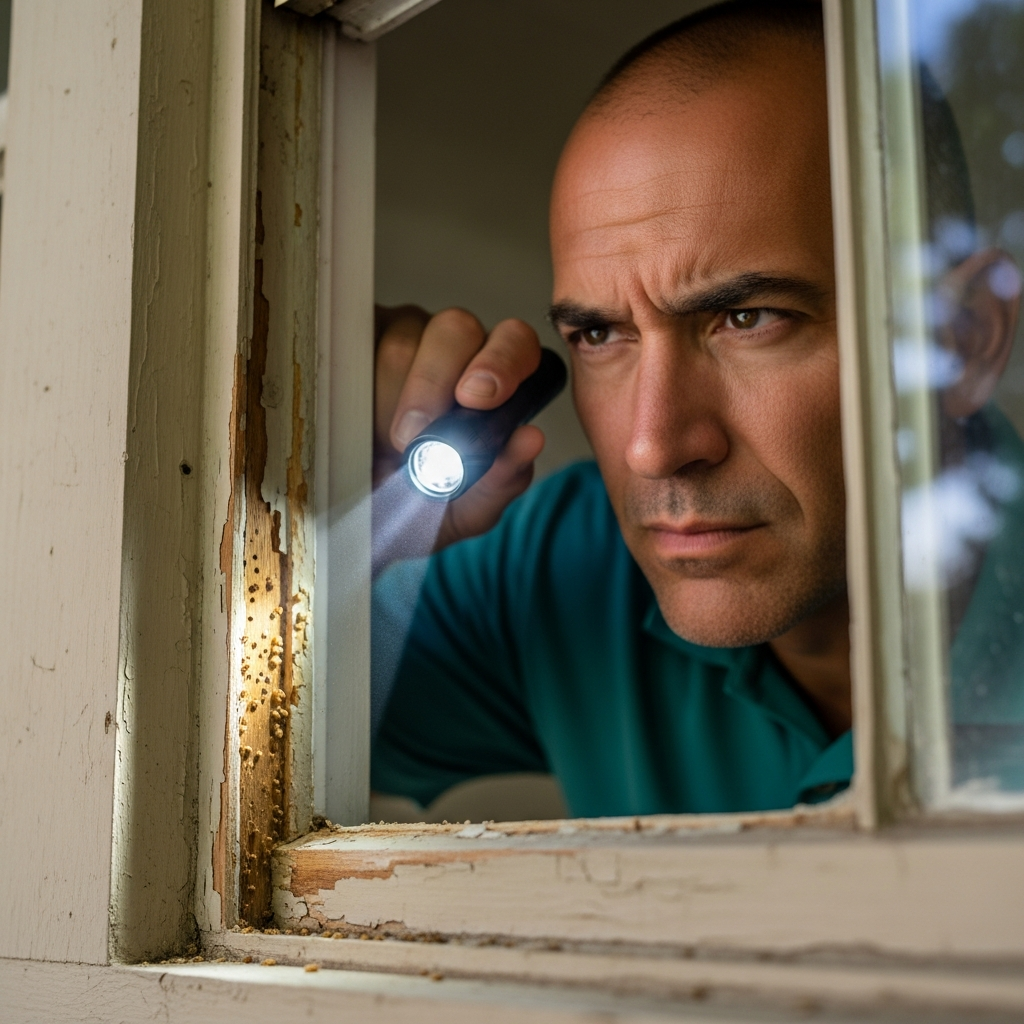 Finding termite activity early can help you keep away from big repair bills. If you own a home, it is good to know the early warning signs of termites and understand what you need to check. With a few easy tools and some know-how, you can do a simple look-over of your home by yourself.
But, getting a professional termite inspection will always be the best way to find out if you have an infestation. Regular termite inspections help you spot termite problems before they get worse. Here are the steps you can use to find and handle a possible termite problem. You will see what tools you need and know when it’s time to bring in expert termite control.
What You’ll Need to Get Started: Tools, Signs, and Resources
To start looking for signs of termites, you don’t need a lot. The right tools and simple know-how can help keep your home safe. The main thing is to spot signs of an infestation early, so there is no big damage to your house.
Gather these simple items to help with your inspection:
- A powerful flashlight to see into dark corners, crawl spaces, and attics.
- A screwdriver or pocketknife to gently probe wood for hollowness or damage.
- A camera to take pictures of any potential signs or damage you find.
- Gloves for safety when inspecting dark or cluttered areas.
Can regular pest inspections help find subterranean termites early in Florida homes? Yes, they can. Doing your own check is a good start, but regular inspections by a professional termite control company are key. These experts have the skills and the right tools to find hidden food sources and colonies. They look in places you might miss, like crawl spaces, making sure your home is always protected. Keeping up with regular inspections is one of the best ways to stop problems before they get worse.
Step-by-Step Guide to Spotting and Responding to Termite Activity
Once you have your tools, you can look for termite activity. It is good to follow a step-by-step way to check all the main spots where termites hide. The signs of infestation might be easy to miss, so take your time and check everything well.
Here is a step-by-step process to help your inspection:
- Inspect your home’s foundation and exterior walls for mud tubes.
- Look for discarded wings near windows, doors, and light sources.
- Tap on wooden surfaces. Listen for a hollow sound.
- Check for small piles of frass (termite droppings) near furniture or in attics.
- Watch for bubbling paint or warped wood.
- Write down any damage or any signs you see.
If you spot any of these signs of infestation, your next step should be to call a pest control company. These people can check if you really have a termite problem. Then, they will suggest effective termite control or other solutions. If you try to handle an infestation without help, you could make things worse and see more damage instead of less.
Step 1: Inspect for Mud Tubes, Frass, and Damaged Wood
Your first inspection step is to look for the three most common signs of termites: mud tubes, frass, and damaged wood. Using your flashlight, carefully examine your home’s foundation, exterior walls, and crawl space for thin, pencil-sized mud tubes. These are a classic sign of subterranean termites.
Next, check for frass, which indicates a drywood termite infestation. These tiny, wood-colored pellets often collect in small piles in attic spaces, on windowsills, or beneath furniture. They look like grains of sand or sawdust. Finally, use your screwdriver to gently tap on wooden beams, baseboards, and floors. If the wood sounds hollow or flakes away easily, it could be damaged wood from a termite infestation.
These signs of termites are your best clues for determining what kind of pest you might be dealing with. Here’s a quick reference table:
| Termite Sign | What It Looks Like | Associated Termite |
|---|---|---|
| Mud Tubes | Pencil-sized tunnels of dirt and mud on walls/foundations | Subterranean/Formosan |
| Frass | Small, sand-like pellets in piles | Drywood |
| Damaged Wood | Wood that sounds hollow, is blistered, or has tunnels inside | All species |
Step 2: Differentiate Between Subterranean and Drywood Termites
Now that you have some signs of termites, you need to find out what kind of termite species you are dealing with. It’s very important to tell if you have subterranean termites or drywood termites because each one needs a different way for termite control. The signs they leave will help you figure this out.
Subterranean termites need water and live under the ground. So you will see their signs around the soil. Drywood termites are inside the wood the whole time. They do not need soil contact, so you find their signs where they are living in the wood.
Here’s how you can spot the difference:
- Location of Damage: Subterranean termites do damage in places close to the ground. Look for problems in your foundation, crawl spaces, or lower walls. Drywood termites will go after wood in any spot, even in attics, your furniture, or windows upstairs.
- Evidence Left Behind: Subterranean termites make mud tubes to move around. Drywood termites drop piles of frass, which is just their droppings, on the ground.
- Winged Termites: Both termite species have swarmers. They might look a little different from each other. A termite expert will know which one you have.
Knowing these signs of termites helps you know which types are in your house. This is why it is good to get a professional to help so you can stop your termite infestations before it leads to extensive damage.
Step 3: Document Damage and Potential Entry Points
After you check your home and see signs of possible termite damage, you need to write down what you found. Take clear pictures and notes. This helps a pest control service see what kind of problem you have right away. Look at spots where there is visible damage and places where anything could get in.
To stop subterranean termites from getting into your Florida home again, try to seal up any way they could get inside. Check and write down things like:
- Cracks in the Foundation: Look for cracks or small holes in your home’s concrete slab or the outside walls. Termites can use these to get in.
- Gaps Around Pipes: Look carefully at spots where pipes or wires go into your house, like under sinks or behind your washing machine. Even tiny gaps make it easy for termites.
- Wood-to-Ground Contact: See if any wooden structures, such as deck posts or siding, touch the ground.
Writing down all these things helps with what the pest control team will do now and helps stop problems in the future. Doing this early is good for your home’s structure and will help to keep your wooden structures strong and safe.
Step 4: Contact Knockout Pest Control for a WDO Inspection and Customized Termite Treatment
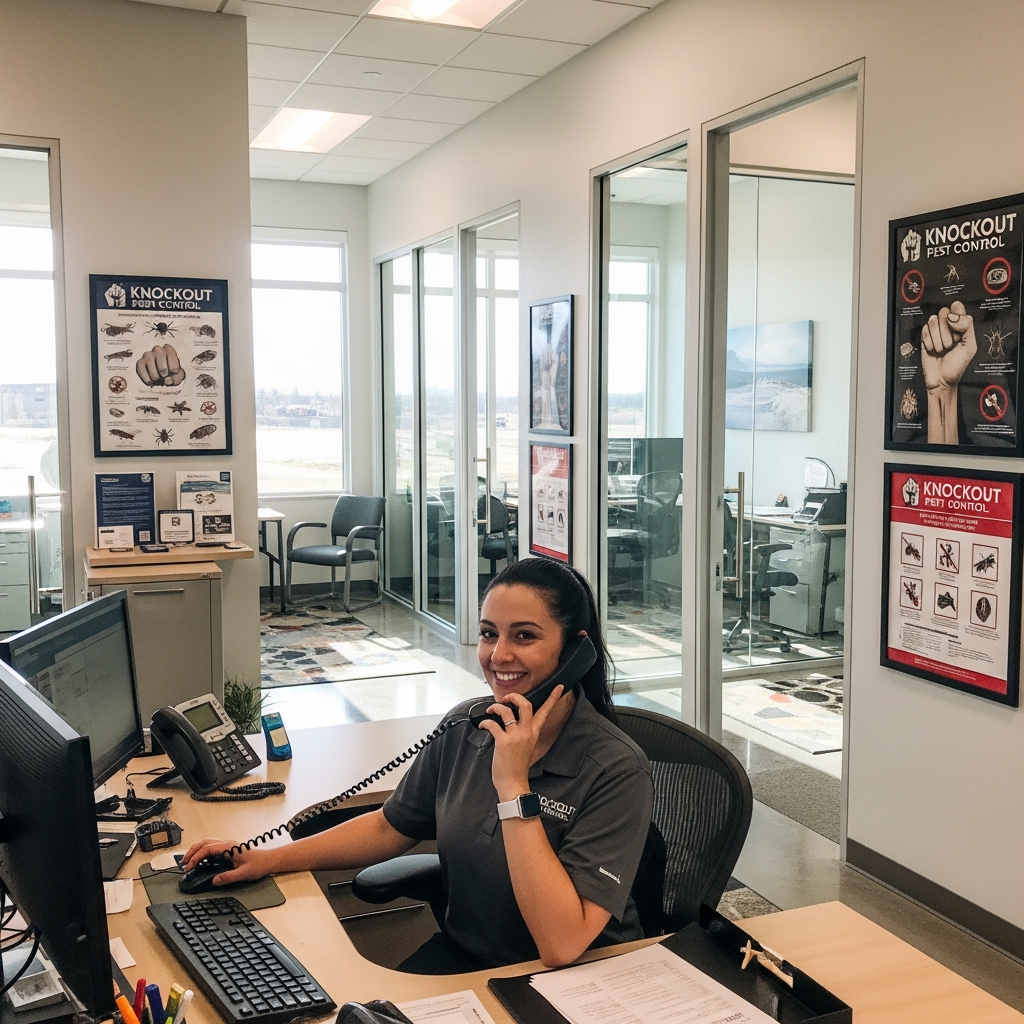
If you see any signs of termites in your place, it is best to call the experts. Reach out to Knockout Pest Control for a WDO inspection by a trusted pest control company. A Wood-Destroying Organism (WDO) inspection is a close look at your home to check for signs of termites, wood-boring beetles, or wood-decaying fungi. This kind of check is the best way to know for sure if there is a problem and how bad it is.
Our team is well trained in pest control and knows what to look for. They can help spot the type of termite species in your house. After we look at your place, we will create a plan for termite control that fits your needs. There is no single way to stop termites, so we make a plan just for you.
Here’s what you will get with us:
- A full WDO inspection to spot any wood-destroying insects or fungi.
- A clear answer about what kind of termite species you have and how much harm they have caused.
- A target-focused plan for effective termite control that will get rid of the colony.
Don’t let the damage get worse over time. The best way to keep your property safe is to get regular termite inspections from a trusted pest control company like Knockout Pest Control.
Drywood Termite Treatment and Other Knockout Pest Control Services
Getting rid of drywood termite infestations can be tough and needs special skills and tools. Some people try DIY fixes, but these do not usually get rid of the whole termite colony. This means the termites can keep coming back, causing more structural damage over time. If you want effective termite control, the best thing to do is call a professional termite control company.
At Knockout Pest Control, we give targeted treatments for drywood termites. We also have many other pest control services to help keep your home safe. As a trusted pest control company, our job is to use the best solutions to protect your home from every type of pest you do not want. Let’s look at our pest control options for drywood termites along with the other services we will bring to your property.
Professional Solutions for Drywood Termite Infestations
When you have drywood termite infestations, the best way to get rid of them is to use professional pest control. You might wonder if you can handle termite control on your own. Some store-bought products can kill a few termites, but they usually do not reach the heart of the colony hidden in the wood. This means the termite infestation can keep growing, and you may see more extensive damage to your home over time.
At Knockout Pest Control, we have effective termite control solutions made for drywood termites. If the termite problem is small, we may suggest using spot treatments to take care of it. When the issue is bigger, we might recommend fumigation for your whole house. Fumigation is very effective for termite control, because it reaches every part of your home. This makes sure that no termites are left behind.
Choosing professional treatment helps you use your time, money, and effort well. Getting rid of the whole termite colony means that we stop future termite damage. This way, you can avoid costly repairs and feel good knowing your home is safe with Knockout Pest Control.
Additional Pest Control Services Offered by Knockout Pest Control
Knockout Pest Control is your best choice for many pest control needs in Jacksonville, FL. Our pest control experts know how to deal with all the usual pests you might find at home. We know each problem with pests is different. We will use a solution that works for your house.
We use the latest ways to treat termites, like bait stations and special liquids. But, we also have these pest control services:
- Ants: Need
ant pest control near me? We find out which type you have and get rid of the nest for good. - Rodents: Looking for
rat pest control near me? Our team can catch mice and block them from coming inside again. - Fleas: As your local
flea exterminator near me, we work to keep your pets and family safe from fleas. - Bed Bugs: We use steps that work well and remove bed bugs from your house fully.
With us, you get a one-stop answer for any pest problem. Knockout Pest Control is here for you, from regular inspections to fixing pest breakouts right away. We want to help you keep your home safe and comfortable.
Conclusion
To sum up, it’s important to know about the termite trifecta that can hurt homes in Jacksonville. There are subterranean termites that live under the ground by your house. There are also aggressive Formosan termites and sneaky Drywood termites. Each one has its own way of causing problems and can put your property at risk. If you learn the signs of infestation and act early, you can keep your home safe.
Knockout Pest Control is here for you. We offer special WDO inspections and termite treatments just for your needs. Our pest control services are meant to help you and your family be safe. Do not wait until you see damage. Call us now to protect your home and have peace of mind.
Frequently Asked Questions
What are the warning signs of a termite infestation in Jacksonville homes?
The main signs of termite activity are easy to see if you know what to look for. You might spot mud tubes on the foundation of your house. There can be small piles of termite droppings, called frass, near places where termites are active. You may also find discarded wings close to windows. When you tap on wood and it sounds hollow, that can be a problem. Other clear signs of infestation include bubbling paint or doors that have become warped. If you spot any of these signs early, it can help you get effective termite control.
How often should I schedule a pest or WDO inspection in Florida?
In the state of Florida, experts say you should schedule a professional termite inspection or WDO inspection at least once a year. In Florida, the risk of termite activity is high, so some homeowners decide to get inspections two times a year. Regular termite inspections from a pest control company help you find problems early. This is the best way to protect your home.
Can DIY termite treatments work, or should I call a professional?
DIY termite treatments often do not work because they do not get rid of the whole termite colony. This means termite damage can keep happening. For effective termite control, it is best to call pest control experts. They have the tools and know-how to stop the infestation for good and make sure it does not come back. Getting help from people who know about pest control is the best way to keep your home safe.
What does a WDO inspection from Knockout Pest Control include?
A WDO inspection from our pest control company means we check your home closely for any wood-destroying bugs or problems. We look for signs of infestation like mud tubes, termite damage, and frass. This helps us see if your home’s structural integrity is good. After we finish, you get a clear report of what we find.
Should I get a precautionary Termite inspection done?
Yes, a precautionary WDO inspection in Jacksonville, FL, is highly recommended. Termites can cause extensive damage if left undetected. Regular inspections help identify potential infestations early, ensuring your property remains safe and secure. Investing in preventive measures can save you significant repair costs and maintain your home’s value.