Rat Control & Removal in Jacksonville, FL
October Specials Available — Save on Pest Control Services
See our specials Termidor Certified Professional
EXPERT RODENT CONTROL IN JACKSONVILLE, FL
Knockout Pest Control can help keep your home or business rat and mouse free. In addition to residential homes, we provide service to a variety of commercial premises, including food handling and public storage businesses. After-hour emergency services are available. With more than two decades of experience, we have been keeping buildings, rodent free!
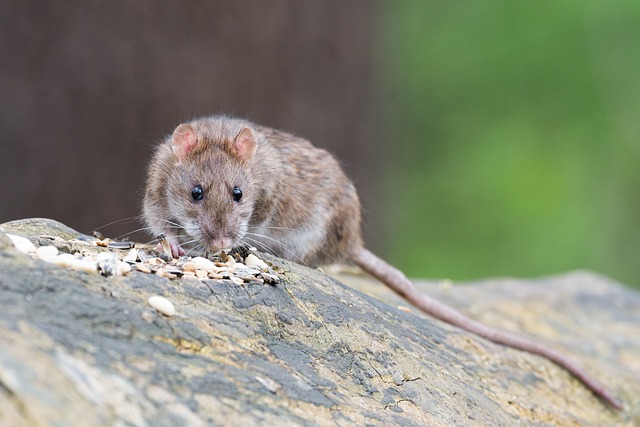
Signs of Rodent Infestation in Jacksonville Homes
Late at night, when the house is quiet, you might hear a faint rustling or scratching sound. Tiny chew marks on furniture, droppings in hidden corners, or gnawed food packages—these signs indicate a persistent problem that needs swift attention. Whether it’s a mouse, a rat, or even multiple mice, these small creatures are skilled at finding entry points, often nesting in warm, secluded spaces. Left unchecked, they can cause significant damage, not to mention health concerns from contamination.
To protect your home, a combination of strategies is key. Barriers and traps can physically block their access, while bait stations and rodenticides target the problem directly. Habitat modification, such as clearing clutter or sealing gaps, is also an effective long-term solution. Whether it’s a matter of sanitation, pest-proofing, or outright extermination, each step plays a role in stopping infestations and achieving complete eradication before things worsen.
It’s time to take action: when critter mitigation becomes necessary, the focus shifts to restoring order and safety. This may involve consulting professional services, especially if the scope of the problem exceeds what DIY approaches can handle. These experts know how to identify entry points, eliminate the issue, and ensure the invaders won’t return.
From wildlife control to vermin removal, the goal remains the same: creating a healthy, comfortable living space, free from unwanted intruders.
Jacksonville homeowners often face rodent infestations due to the area’s warm climate and urban environment, which provide an ideal habitat for rats and mice. Common signs of an infestation include droppings near food sources, chewed wires or insulation, and greasy marks along walls where rodents travel. You might also notice scratching noises at night, especially in attics or walls, or find nesting materials like shredded paper or fabric in hidden areas. Detecting these signs early is critical to preventing rodents from causing structural damage or spreading diseases like hantavirus and salmonella.
WHY YOU NEED A RODENT CONTROL PROFESSIONAL
Professional rodent control offers targeted solutions that go beyond DIY traps and repellents. Experts identify hidden entry points and nesting sites while employing advanced techniques for safe and effective removal. For Jacksonville residents, this is particularly important as rats and mice can thrive in the humid environment and adapt quickly to human activity. Professional services not only eliminate current infestations but also implement prevention strategies, such as sealing gaps and applying eco-friendly deterrents. Additionally, professionals are trained to handle health risks associated with rodent infestations, ensuring your family and property are protected.
Getting rid of rats and mice can be a real chore once they’ve gotten comfortable. A single litter can produce up to nine new ones, that will be ready to reproduce in six weeks to three months. This is why you should call us at Knockout Pest Control at the first sign of rodents in your Jacksonville, FL home or business.
How to Prevent Rodent Infestations
Preventing rodents in your Jacksonville home starts with securing potential entry points. Inspect your property for gaps or cracks in walls, foundations, and rooflines, sealing them with durable materials like steel wool or caulk. Proper food storage is essential; use airtight containers to keep rodents from accessing food sources. Regularly clean up crumbs, pet food, and other debris that might attract pests.
Protecting your living space starts with identifying potential vulnerabilities. Small creatures like mice and rats are experts at exploiting gaps, cracks, and weak spots in walls or foundations. Sealing entry points is one of the first steps to preventing unwanted guests. Installing physical barriers such as steel wool or mesh screens in vents or gaps can make a big difference. Keeping your home clean and free of clutter not only enhances sanitation but also removes potential hiding spots for these crafty intruders.
Equally important is habitat modification around your property. Clearing debris, trimming vegetation, and ensuring trash is stored in secure containers make it less likely to attract wildlife. Inside, focus on securing food sources by using airtight containers and promptly cleaning up crumbs or spills. These steps help create a fortress against infestations without relying solely on traps or rodenticides. When done correctly, the process ensures that your living space remains a safe and comfortable sanctuary.
Outdoor maintenance is also key—trim back overhanging branches and remove clutter from around your home’s foundation. Combining these steps with routine inspections can significantly reduce your risk of infestation.
Location Matters With Rodent Infestations
Living in the northeast region of Florida has some major advantages, not only for humans, but for rodents as well. The ocean, river, lakes, and retention ponds in the area, make Northeast Fl, a habitat that is quite conducive to rats, mice, and other rodents, because they provide these pests with sources of both food and water. Once they find a desired location, they then try to find a nearby place for shelter and breeding.
Differences Between Rats & Mice
While both rats and mice are common household pests, they have distinct behaviors and physical characteristics. There are different challenges with each type of infestation:
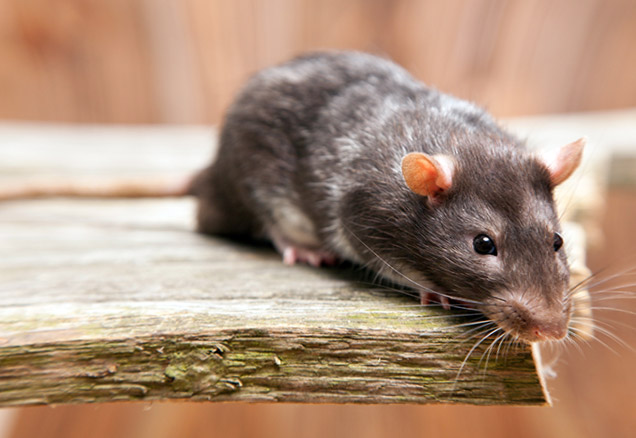
RATS
Rats can be difficult to control because they are very good at finding safe places that are hard for humans to reach. This can include tight attic areas and spaces between walls. It’s even common for rats to burrow under concrete slabs and porches in search of a place to settle.
In addition to their ability to find safe havens in homes and offices, they are wary by nature. They instinctively avoid anything new that is introduced into their familiar environment. This includes common methods of rodent extermination like bait and traps.
MICE
Smaller than rats, mice are more curious which can make them easier to control with traps. However, they are able to begin reproducing at about six weeks of age, which means you could have a big problem on your hands if you miss only a few while trying to remove them from your home or business.
Mice are mostly nocturnal, but they will come out during the day if something disturbs their nest. They are very fast runners and can squeeze through very small gaps, about the size of a dime, which makes them experts at snatching food and getting back to safety.

DANGERS OF RODENTS
Besides leaving a noticeable stench, rodents in your home or business can pose serious health issues to your family or customers. It’s no secret that rats and mice carry and spread parasites, viruses, and disease. Even if they don’t come into direct contact with a rodent, people can become ill after coming into contact with urine or feces.
Signs You Have Rats
Rats are quieter about their presence than most people expect, and the first signs are usually physical rather than a sighting. Droppings are the clearest: rat droppings run around half an inch long, and they collect along walls, behind appliances, in pantry corners and across attic insulation. Fresh ones are dark and soft; older ones dry out and crumble.
Gnaw marks come next. Rats have to gnaw constantly to keep their incisors in check, and they work on wood trim, plastic pipework, cardboard storage and electrical cable. Chewed wiring is the reason a rat problem is a fire risk as well as a health one.
Then there is the noise. Scratching, scurrying and a distinct rolling or dragging sound overhead after dark usually means roof rats moving through the attic or along the top of a wall cavity. Rats are most active at night, so an empty attic during the day proves nothing.
Look also for grease marks — dark smudges along skirting, joists and rafters where oil in the fur rubs off on the route a rat travels every night. Rats follow the same runway repeatedly, so those marks build up. Finally, nests: shredded insulation, paper, fabric and palm fibre packed into a quiet cavity, often with droppings and a sharp ammonia smell nearby.
Where Rats Get Into Jacksonville Homes
Roof rats climb, and Northeast Florida gives them every opportunity. Mature oaks and palms that overhang a roof are a direct bridge onto the building, and palm fronds themselves make good cover and nesting material. Once a rat is on the roof, it works along the roof line looking for a gap.
The openings it finds are usually these: soffit and fascia joints that have separated or rotted, ridge and gable vents with damaged screening, gaps where the air-conditioning line set and refrigerant pipes pass through the wall, and the space around plumbing and cable penetrations. Older Jacksonville homes with wood soffits and long humid summers are especially prone to the rot that opens those joints up.
Norway rats come in lower down. Garage doors with worn or missing bottom seals, crawl space vents, gaps under exterior doors, and the void beneath a concrete slab or a porch are all common. A rat can use an opening a little over half an inch wide, which is smaller than most homeowners think to look for.
Our Rat Control Process
Inspection. A technician walks the property inside and out, identifies whether you are dealing with roof rats or Norway rats, and maps the entry points, runways and nesting sites. The inspection is free, and everything that follows is built on what it finds.
Exclusion. We seal the building. Entry points are closed with durable materials — steel wool and caulk around cracks in walls, foundations and rooflines, mesh screening over vents and similar openings. This is the part that decides whether the rats stay gone, and it is the part DIY attempts almost always skip.
Trapping and removal. With the building closed, the rats already inside are trapped and removed. Rats are neophobic — wary of anything new in familiar surroundings — so placement along established runways matters far more than the number of traps set.
Follow-up visits. We return to check the traps, confirm activity has stopped, and re-inspect the seals. Trapping continues until the property is clear rather than ending on a fixed date.
Sanitation advice. Finally, the conditions that drew rats in: trimming branches back from the roof line, clearing debris and woodpiles, securing trash containers, and storing food and pet food in airtight containers. Contaminated insulation and nesting material are handled with care, because rat urine and droppings carry disease.
Why DIY Rat Control Usually Fails
The most common mistake is trapping without exclusion. Traps catch the rats that are already inside; they do nothing about the gap those rats used, so the colony outside simply sends more. A property can be trapped repeatedly and never actually be rat-free.
Poison is the second problem. A poisoned rat does not die in the open — it dies in a wall cavity or under insulation, and the odour can last for weeks with no practical way to reach it. Rodenticide is also a genuine hazard around pets and children, and secondary poisoning affects the owls, hawks and neighbourhood cats that catch a weakened rat.
Hardware-store bait and traps also run straight into that wariness. Rats avoid new objects on a familiar route for days, so equipment left in the wrong place sits untouched while the infestation keeps growing. Add the fact that rats reproduce quickly, and a fortnight of unsuccessful DIY is rarely a neutral outcome.
Rat Control Service Areas
We handle rat control across Jacksonville and the surrounding communities — including Mandarin, San Marco, Riverside and the Southside — as well as Orange Park, Fleming Island, St. Johns, Ponte Vedra, Jacksonville Beach and Atlantic Beach. KnockOut is family-owned and veteran-owned, with more than 35 years of experience treating residential and commercial properties in Northeast Florida.
Rat Control Questions We Are Asked
How do I know if I have rats and not mice?
Size is the quickest tell. Rat droppings are around half an inch long with blunt or tapered ends, while mouse droppings are the size of a grain of rice. Rats also leave wider gnaw marks, greasier rub marks along their runways, and heavier, slower movement overhead than the light skittering of mice.
What is the difference between a roof rat and a Norway rat?
Roof rats are the climbers. They are slimmer, with a tail longer than their body, and they nest high — attics, soffits, palm fronds and the upper branches of oaks. Norway rats are heavier and burrow instead, nesting under slabs, porches, sheds and woodpiles at ground level. Both are found around Jacksonville, and the entry points they use are completely different, which is why the inspection comes first.
How long does rat removal take?
It depends on how far the infestation has spread and how many entry points the property has. Sealing the building and trapping the rats already inside is usually the work of a few visits rather than a single one, because trapping continues until activity stops. We schedule follow-up visits as part of the plan rather than leaving you to judge it.
Will rats come back after they are removed?
Not if the way in is closed. Removing rats without exclusion treats the symptom: the colony outside is unchanged, and the gap that let the first rats in is still there. That is why our work centres on sealing entry points rather than on trapping alone.
Do you offer a free inspection for rats?
Yes. The inspection is free and it is where the job starts — we identify the species, find the entry points and nesting sites, and build the plan around what is actually on your property. Call (904) 842-3663 to book one.
Book a Free Rat Inspection
If you are hearing movement in the attic or finding droppings, the sooner the entry points are closed the smaller the job stays. Call (904) 842-3663 or book a free inspection and we will tell you what you are dealing with and what it takes to stop it.
Dealing with mice instead? See our mouse control and removal page. For everything else we treat, visit our pest control services.
Helpful Resources
More on how rodents get in, and what keeps them out:
- Permanent rodent exclusion: why trapping alone is not enough
- Tackling rodent problems as the weather gets cooler
- Chewed wires and other damage rodents cause
CUSTOMIZED CONTROL
An experienced pest control company, like Knockout Pest Control, knows how to remove rats, mice, and other rodents from houses, offices, and other commercial structures. We can also develop a customized plan to address any entry points to prevent rodents from re-infesting your structure.
Talk to a Jacksonville technician
Schedule a pest inspection
Prefer to talk? Call (904) 842-3663 — that is the fastest route, and you will reach a person in our Jacksonville office.
from 192 Google reviews