
Key Highlights
- Jacksonville’s humid climate creates a perfect environment for subterranean termites, posing a serious threat to your home.
- Subterranean termites build large termite colonies in the soil and attack your home’s foundation, causing unseen termite damage.
- It’s important to recognize the signs of a termite infestation, such as mud tubes and hollow-sounding wood.
- Professional termite control, including termite barriers and bait stations, offers the best protection for your property.
- Even during winter, subterranean termites remain active, making year-round defense crucial to prevent a “structural collapse.”
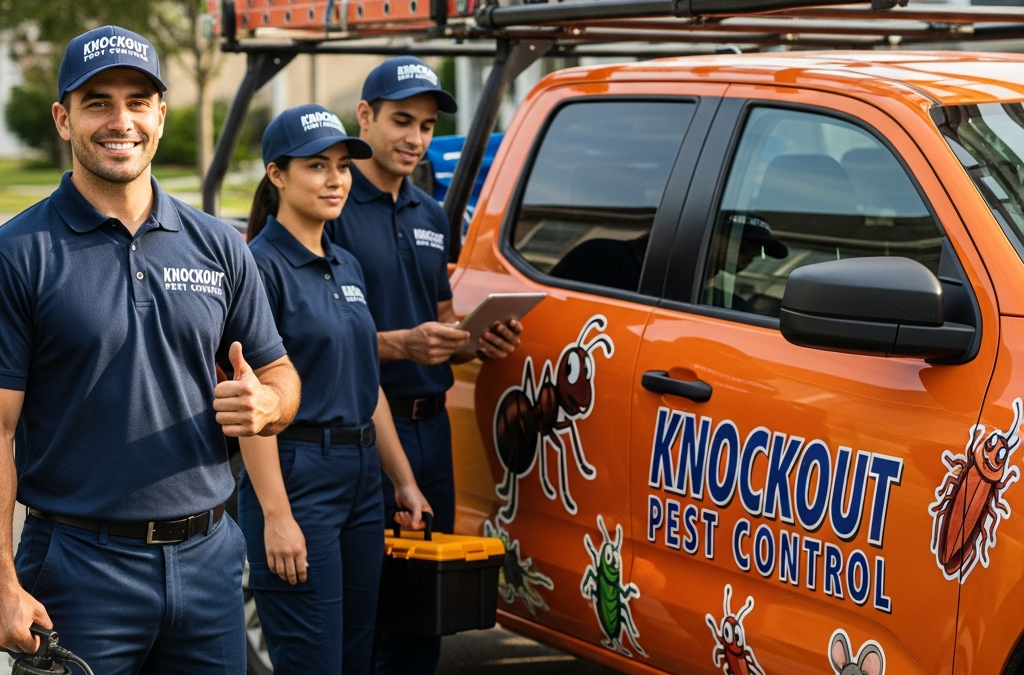
- Knockout Pest Control provides science-based defense protocols designed specifically for the Florida winter to eliminate hidden termite damage.
Introduction
If you own a home in Jacksonville, you know how important it is to keep your place safe. Subterranean termites are a big problem. They can cause a lot of termite damage while you do not even see them working under the surface. Fixing this can cost a lot of money. Many people think that winter means there are no termites, but this is not true. This idea can put your home at risk.
This guide is here to help you with that. You will learn about the dangers of a termite infestation and why you need termite control from the pros. Once you know more about termites, you can get ready. Take steps now to keep your home safe from an infestation, before the damage gets worse.
Understanding Subterranean Termites in Jacksonville
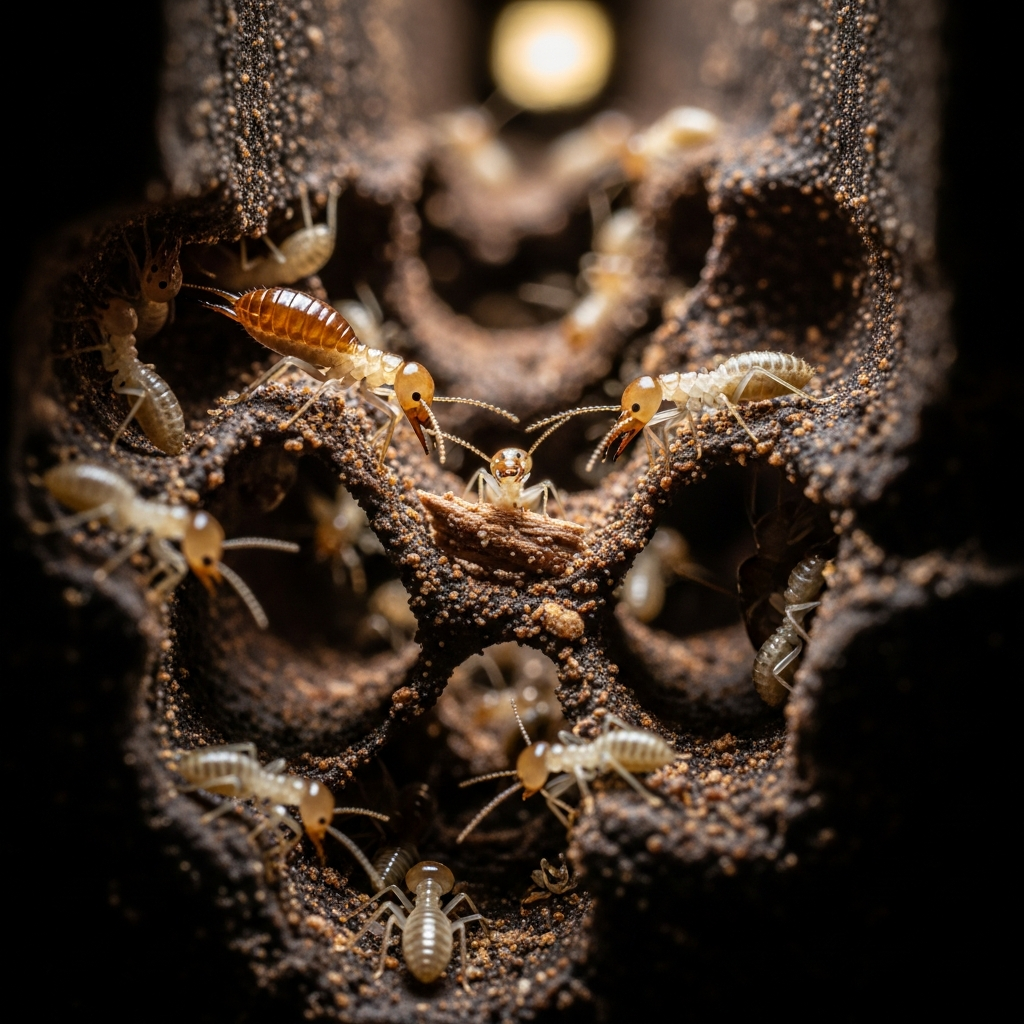 Subterranean termites are a big problem in Jacksonville. These termites build their termite colonies underground and then crawl up into your home to find food. The native eastern subterranean termite is common here, but there is another termite species called the Formosan termite that can do even more damage.
Jacksonville has a warm and humid climate. This helps these termite colonies grow all year, sometimes reaching millions in number. To protect your home well, you need to know about their behavior first.
Why Jacksonville’s Climate Increases Termite Activity
Have you ever asked why Jacksonville deals with so many termites? The big reason is the warm and humid climate here. That kind of weather lets subterranean termites stay busy all year. In places with cold winters, there are times when these pests slow down, but that does not happen in Jacksonville because the winter is mild. So, the termite problem never goes away.
Because of this, your house can be in danger all the time. These termites keep looking for new food sources. The moisture in the ground makes them want to stay near your place. If you get an active infestation, it can get worse fast. Termites keep eating your home’s wood day and night. These foraging workers can even go as far as a football field, so if your neighbor has termites, you could get them, too.
To keep your house safe, you need a professional termite barrier. This barrier helps catch the termites before they get to your home’s foundation. When you have a protective area around your home, you keep a termite infestation from making big trouble. This is the best way to protect what you own in Jacksonville’s hot and wet climate.
Key Differences Between Subterranean and Drywood Termites
While both subterranean and drywood termites cause termite damage, they are very different termite species. Understanding these differences can help you identify the specific threat to your home. Subterranean termites live underground in massive termite colonies and require contact with soil and moisture to survive. They build mud tubes to travel from the ground into your home.
In contrast, drywood termites live entirely within the wood they infest. They don’t need soil contact and get all the moisture they need from the wood itself. Their colonies are much smaller than those of subterranean termites. This means the signs of infestation and the methods for controlling them are quite distinct.
Here is a quick comparison:
| Feature | Subterranean Termites | Drywood Termites |
|---|---|---|
| Nest Location | In the soil, underground. | Inside dry, sound wood. |
| Colony Size | Can contain millions of individuals. | Much smaller, typically a few thousand. |
| Moisture Needs | High; must maintain contact with soil. | Low; gets moisture from the wood they eat. |
| Signs of Infestation | Mud tubes, hollow-sounding wood. | Pellets (frass), kick-out holes. |
| Damage Speed | Can cause extensive damage quickly. | Damage occurs more slowly over many years. |
Common Entry Points for Subterranean Termites
 Subterranean termites are very good at finding a way into your home. They start in the ground, so any part of your house that touches dirt can be a way in for them. The termite workers always look for cellulose. This is something found in wood, paper, and even drywall.
They can get in by crawling through small cracks in the foundation. They might also follow things like utility lines or use places where pipes go into your house. Knowing about these usual ways how they get in is very important. It helps you see the early signs of termites so you can stop a problem before you get a big termite infestation.
Foundation Cracks and Slab Openings
The foundation of your home is where the fight with subterranean termites starts. It is also the part that can get hit the most. Even a tiny crack in the concrete slab, as small as 1/16th of an inch, can let termites inside. All foundations get these small problems after some time. So, it is always good to have regular inspections.
Subterranean termites make mud tubes and use tiny gaps to move from the dirt into your house. They try to find cellulose in your home’s framing, subflooring, and walls. When one termite finds food, it lets the rest of the group know. Then, more termites will come in and can cause a lot of damage. Places where pipes and wires go through the slab are another weak point.
The best way to protect these open spots is simple. You can seal the cracks you see, but getting a pro to give your home’s foundation a real barrier works best. They set up a safe space all around and below your slab so the termites never get inside. The first thing you should do is call for a pro inspection to see where the risky areas are. If you tap on wood and it sounds hollow or spot blistered spots, it could mean your Jacksonville house needs a termite barrier.
Moisture Sources That Attract Termites
Moisture draws in subterranean termites. They have to be in a damp spot to live. That is why the places where water builds up are spots where you might get a termite infestation. If you have leaky pipes, full gutters, or bad water flow around your home’s foundation, it can lead to a termite problem.
Subterranean termites are not like ants. Ants also go toward moisture, but not for the same reason. Termites like it because, when wood gets damp, it gets soft. This makes it easy for them to chew up and eat. The termites will always go for damp earth and wood. They use the wet ground as a place to live and a thing to eat. That’s why you should try to keep water under control near your home to help stop a termite infestation.
To keep termites away from your house, get rid of extra moisture like this:
- Repair any leaking faucets, pipes, and AC units right away.
- Be sure gutters and downspouts send water away from your home’s foundation.
- Do not let your sprinklers spray straight onto your foundation.
- Keep wood mulch at least 15 inches away from your foundation, because wood mulch holds moisture.
Signs Your Jacksonville Home May Have Subterranean Termites
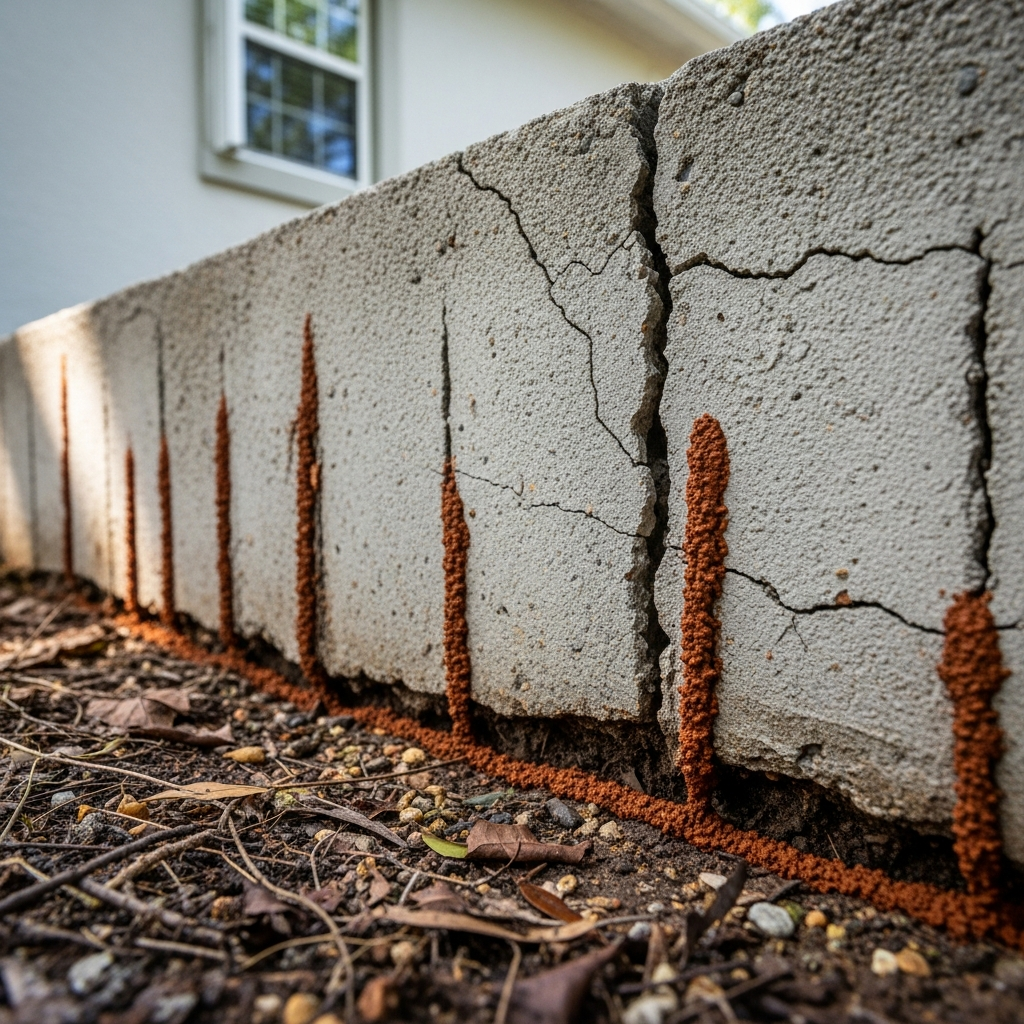
It can be hard to tell if you have a termite problem at first. The signs of termites may not be very clear, but it helps to know what to watch for. One clear sign is seeing mud tubes. You may find these on your home’s foundation, walls, or in your crawl space. The mud tubes look like pencil-sized tunnels. Termites use them to move and get away from open air.
There are other signs of a termite infestation to look out for. The wood in your home may sound hollow if you tap it. You might also notice paint that is bubbling or peeling. Sometimes, you can see wings left behind by swarmers near your windows or lights. These things can point to termite damage.
If you notice any of these signs of termites in your house, you need to act fast. This can stop more damage from happening. One good way to help with termite control is using bait stations. The bait can help check for and also get rid of termite activity.
Visible Damage Inside and Outside the House
One of the most worrying signs of a termite problem is easy-to-see damage to your home. Inside, you may notice wood that looks peeled or blistered. This happens a lot on baseboards, window frames, and door frames. If you tap on these spots, the wood may sound hollow. This is because termites eat the wood from the inside, leaving just a thin layer of paint or top covering.
Your drywall can also show damage. Termites chew through the paper on the back of drywall. That can make the wall look rippled or lower in spots. Some people even find small holes where termites pushed out dirt and trash. All of these are signs you need to get pest control help right away.
Outside, look at the home’s foundation for mud tubes. These mud tubes look like small tunnels made of dirt that go up the concrete. Also, check any wood touching the ground, such as deck or fence posts, for rot or decay. Catching this early can save you time and money later. It is important to deal with these pest problems as soon as you spot them.
Hidden Risks to Structural Integrity
The most dangerous thing about a subterranean termite infestation is the damage you do not see. You might notice some signs, but the biggest threat to your home is the hidden termite damage. Subterranean termites eat wood from the inside. They hollow out beams, floor joists, and wall studs with little to see on the outside until it is too late.
This kind of damage can go on for years. It makes your house weak and unsafe without your knowledge. If you see floors that sag, ceilings that are not straight, or doors that stick, there is probably already a lot of termite damage. For this reason, waiting is not a good idea. It is risky to ignore the problem. Using a professional termite barrier is one of the best ways to protect Jacksonville homes from subterranean termites. It stops the termites before they get into your home.
Getting a comprehensive termite treatment is the one way to be sure your house is safe. Pest control experts can find weak spots and implement solutions that stop termites early. This helps keep your home strong and safe. Do not take a risk with your house. Handling these hidden problems is important if you want to stay protected for years to come.
Professional Termite Barrier Solutions for Jacksonville Homes
If you want to keep your Jacksonville house safe from termites, it’s best to let experts handle it. Most do-it-yourself options do not get rid of the whole termite group. But if you use a professional termite barrier, you get full protection. These measures are there to stop termites before they can touch your home’s frame.
There are a few treatment options for termite control, like liquid treatments and bait stations. A termite expert will come out, check your property, and tell you which is the best way to go for your home. This will make sure your place is safe from termites and the harm they can do.
Chemical vs. Physical Barriers—What’s the Difference?
When choosing a termite barrier, you’ll encounter two main types: chemical and physical. What’s the difference between chemical and physical termite barriers used by Jacksonville professionals? A chemical barrier involves applying a liquid termiticide, like Termidor, to the soil around your home’s foundation. This creates a continuous treated zone that either repels or kills termites that try to cross it. Modern non-repellents are undetectable to termites, who pass the lethal agent through the colony.
Physical barriers, on the other hand, are built into the home during construction. They consist of materials that termites cannot chew through, such as stainless-steel mesh or specially graded sand. While effective for new builds, they are not a practical option for existing homes. For post-construction protection, chemical barriers are the industry standard.
Advanced application methods like the Termidor HP High Precision Injection System allow for minimal disruption to your landscaping by injecting the termiticide directly into the soil without extensive trenching.
| Feature | Chemical Barriers | Physical Barriers |
|---|---|---|
| Application | Applied to soil around existing homes. | Installed during new construction. |
| Material | Liquid termiticides (e.g., Termidor). | Steel mesh, particle barriers. |
| Function | Kills or repels termites on contact. | Physically blocks termite entry. |
| Best For | Existing homes needing protection. | New homes and major additions. |
What to Expect from a Professional Installation
When you set up a professional termite barrier in Jacksonville, here’s what happens. First, a trained technician comes to your home for a close inspection. The technician looks for termites and high-risk spots. After that, they make a plan just for your property. The main goal is to keep your place safe with as little disruption as possible to your life.
During the setup, the work is done in a way that is clean and fast. If you pick a liquid treatment, they might use a high precision injection system. This system puts the termiticide exactly where it’s needed, right near your house foundation. With this modern way, there’s no large digging, so your landscaping stays safe. The team uses a method that is meant to be quiet and get the job done well.
After the team finishes, you get:
- A clear explanation of what they did.
- Details about your warranty and when your next inspection will be.
- Peace of mind because your home now has a professional termite barrier.
- Minimal disruption, since with systems like Termidor HP, there’s no trenching around your home.
Knockout Pest Control: Jacksonville’s Termite Experts
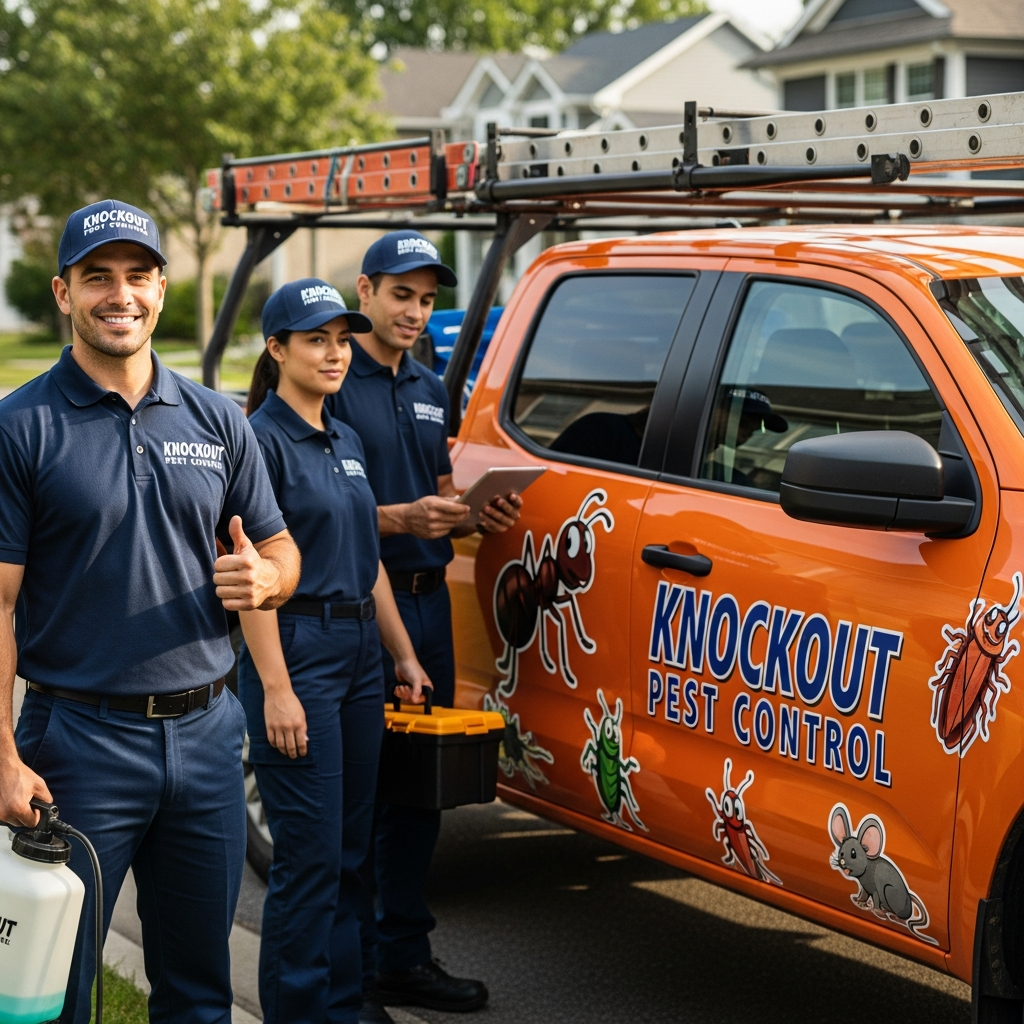
For people who own homes in Jacksonville, it is a big mistake to think that winter is a break from termites. Some types get slow in cold weather, but not subterranean termites in Northeast Florida. These pests just go deeper into the ground or they look for your warm house so they can keep eating. They work all day and night. You may not see this, but it can cause big trouble by spring, like the whole building could fall apart after months of damage. Knockout Pest Control gives you the best help: a plan that fights termites, even in a Florida winter. We are the termite team you can trust for all your pest control.
When you pick Knockout Pest Control to stop subterranean termites, you do not take any risks with hidden damage. We use the best ways to stop pests, including non-repellent products like Termidor™ and smart bait systems. These catch termites as they look for food. Our workers can come out and give you a free termite inspection to check everything at your place and go over treatment options that will work for you. If you act now, you can make sure your home is safe when spring comes. You want your house to be strong, not a target. So, for pest control in Jacksonville, FL, remember Knockout.
Their Approach to Subterranean Termite Protection
At Knockout Pest Control, we know the best way for termite protection is to use science and focus on how things are in Jacksonville. We see that every place is different. One way of treating the problem won’t always work against stubborn subterranean termite colonies. We want to give you a comprehensive termite treatment that gets rid of what is there and also stops new pest problems.
We always check your place with a detailed inspection. This helps us see what is going on with your termite problem. After that, we figure out treatment options to give your home the best defense against these pests. This can mean using strong liquid termiticides like Termidor™. These products work in a way that termites can’t even notice, making a deadly area for them. We may use baiting systems as well to get rid of whole termite colonies. Next to Termidor, solutions such as Sentricon are also used by many professionals who work in Jacksonville for pest control.
You won’t have to guess about your pest problem with our process. No matter the time of year, our team is ready to stop foraging workers—even when the soil is colder. When we are done, we want your home to feel like a certified stronghold against termites and other pests. You can always have peace of mind knowing your house is protected.
Other Pest Control Services Offered by Knockout Pest Control
At Knockout Pest Control, we do more than just termite control. We offer many pest control services to help keep your home and family safe from all types of pests. We know that a home should be healthy and pest-free. That is why our team is ready to help, no matter how big or small the pest problem is. It does not matter if you deal with crawling insects, flying pests, or wild animals, because we have a way to get rid of them.
Our pest control services are made for people in Jacksonville. We are here to get rid of the pests at the source, not just cover up the problem, so your home can stay free from pests for a long time. We take care of bugs and rodents, from your attic down to your lawn. If you found us by looking for “rat pest control near me” or “ant pest control near me,” you are in the right place.
We have good treatments for many pests you might find, such as:
- Rodents: Quick and safe ways to get rid of rats and mice.
- Fleas and Ticks: Keep your family and pets comfortable with our flea exterminator near me services.
- Mosquitoes: Make your yard nice again with our mosquito control.
- Ants, Roaches, and Crickets: All-around pest control for a bug-free home.
Conclusion
To sum up, knowing about subterranean termites and the way they act is very important for people who own homes in Jacksonville. These pests can get used to the area’s climate. They can do serious damage without people seeing it, and this can turn into big problems if you do not take care of it fast. When you spot the usual ways termites get in, see signs of infestation, and learn the differences between each type of termite, you can stay ahead and protect your house. Using the right termite barrier keeps your home safe and gives you peace of mind against these tough pests. If you worry about termite activity or want to know how to stop them, you should talk with Knockout Pest Control today. The safety of your home starts when you make good choices for pest control.
Frequently Asked Questions
How often should I have my termite barrier inspected in Jacksonville?
In Jacksonville, the humid climate makes it important to get your termite barrier checked every year. This helps keep it working well and lets you catch any signs of a termite infestation early. Many professional services include an annual inspection with their warranty. This gives you ongoing protection for your home against termites.
How much does a professional termite barrier cost in Jacksonville?
The price for a termite barrier in Jacksonville changes based on the size of your house, what kind of foundation you have, and the treatment options you pick. It can be a few hundred dollars or go up to a few thousand dollars. Keep in mind that getting protection from termite damage is important, because most homeowner’s insurance does not cover it.
Can a professional termite barrier prevent all types of termite infestations?
A termite barrier works well against subterranean termites, which do most of the damage. But this type of barrier will not stop drywood termites, as they can come in from the air. To give full protection for your home from a termite infestation, you may need more than one kind of treatment. For drywood termites, it can be good to use bait or spot treatments in the right places. This way, you can get help with both types of termite problems.